
 | 09/14/2025 | 3 min read
Mastering Retirement Budgeting
 Planning for retirement—honestly, it can feel both exciting and a little terrifying. Retirement plans? If you’re doing it together, though, you’ve already got a huge advantage. Two perspectives, two incomes, two dreams. But also two sets of habits, worries, and maybe a few financial quirks. That’s why a clear, realistic retirement budget matters: it turns vague hopes into something you can actually act on. Mastering retirement budgeting is a must.
Budgeting as a couple isn’t just math. It’s a conversation, often a series of conversations. It’s about retirement plans. You need to understand where each of you stands financially, then figure out how to merge priorities: travel plans vs. a quiet life at home, supporting grown kids vs. saving for long-term care, that sort of thing. When you do this work up front—aligning goals, sharing the nitty-gritty—you make better choices about investments, Social Security timing, and how much to tuck into retirement accounts.
Start by getting transparent about current finances. Track income, debts, monthly expenses, and irregular costs. Talk about what you actually want out of retirement—don’t skim this part. I remember a couple I worked with who assumed they’d travel constantly; after a single honest talk they realized they mostly wanted a slow life with a few trips, which changed their savings plan a lot. Little discoveries like that matter.
Next, map out a joint budget that separates shared expenses (mortgage, utilities, groceries) from individual ones (hobbies, personal subscriptions). Decide how contributions will be split: proportional to income, 50/50, or another method that feels fair. Then layer in retirement-specific items: contributions to IRAs, 401(k) catch-ups if you’re over 50, and an emergency fund sized for unexpected health or home costs.

Don’t forget taxes and benefits. It’s part of retirement plans. Timing Social Security and understanding how retirement income affects taxes can add several thousand dollars to your retirement pot—or take some away if you aren’t careful. And healthcare: plan for Medicare gaps, premiums, and potential long-term care. Consider insurance, but also think about where you’d be willing to cut back if needed.
Make the plan flexible. Markets wobble. Health changes. Hobbies evolve. Build in reviews—annually, or after big life events—and be ready to recalibrate. Estate planning and beneficiary updates are small tasks with big consequences; don’t let them sit undone.
A few practical steps to get started:
– Inventory assets and debts together.
– Create a realistic monthly budget with shared vs. individual categories.
– Estimate retirement spending (start with current spending adjusted for retirement changes).
– Max out tax-advantaged accounts where possible; use catch-up contributions when eligible.
– Plan Social Security claiming strategically.
– Build a contingency plan for healthcare and long-term care costs.
– Review and adjust the plan regularly.
Retirement budgeting for couples is part numbers, part empathy. You’ll need patience and occasional compromise. But when you build a plan that reflects both partners’ goals—flexible enough for life’s surprises—you’ll find retirement feels less like a cliff and more like a well-planned step forward.
Take small, steady steps together with your retirement plans, and you’ll get there.

Free Ebook Download
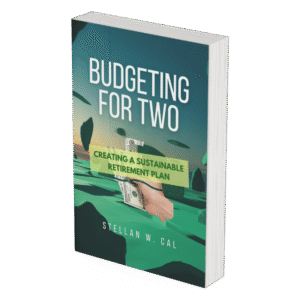
BUDGETING FOR TWO: Creating a Sustainable Retirement Plan
Take control of your financial destiny—grab your copy now for FREE!
Related Posts
- How to Do Daily Jesus Prayers | Start Your Day with God
- MATTHEW 6:33 UNVEILED: THE CORE OF THE CHRISTIAN EXPERIENCE
- WHAT IF COVID-19 WOULD HIT AND KILL US THIS YEAR?
- Christian Teachings Revisited: A Brief Review Highlighting Ageless Christian Experience
- Things You Need to Know About Finding Happiness in Life